
UNDERSTAND THE MESSAGE BEHIND THE FILM
Introduction
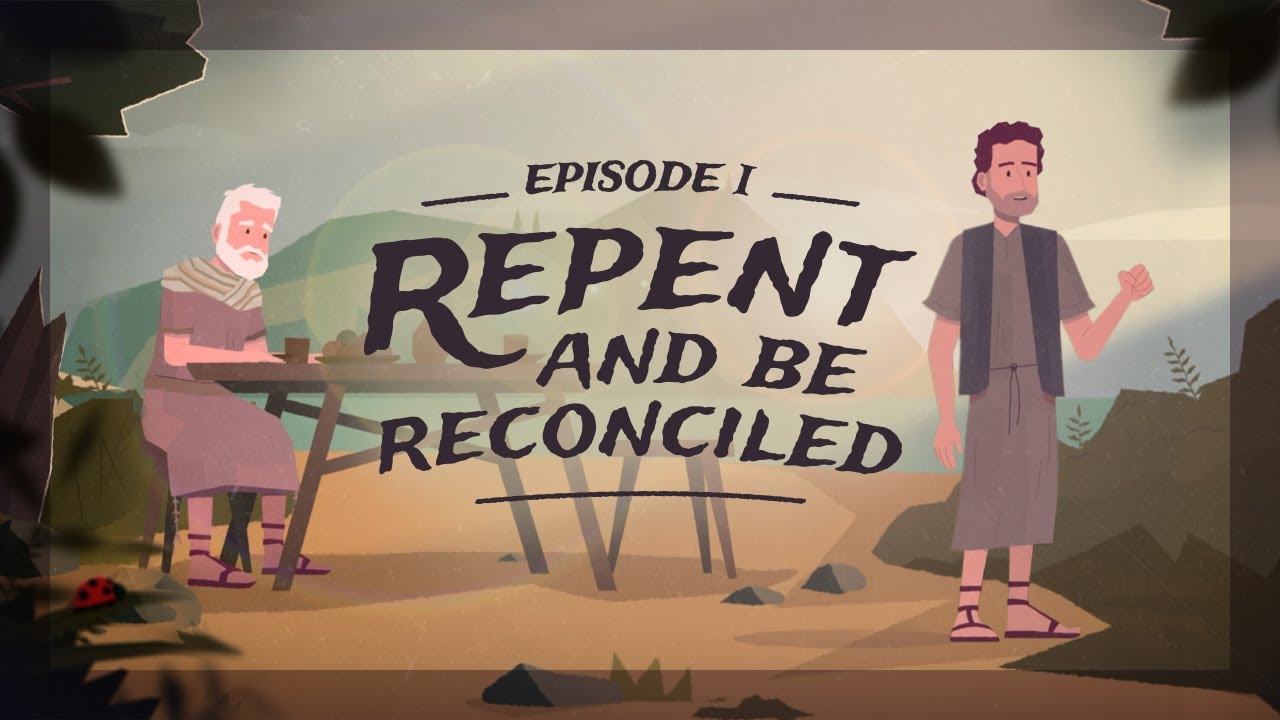
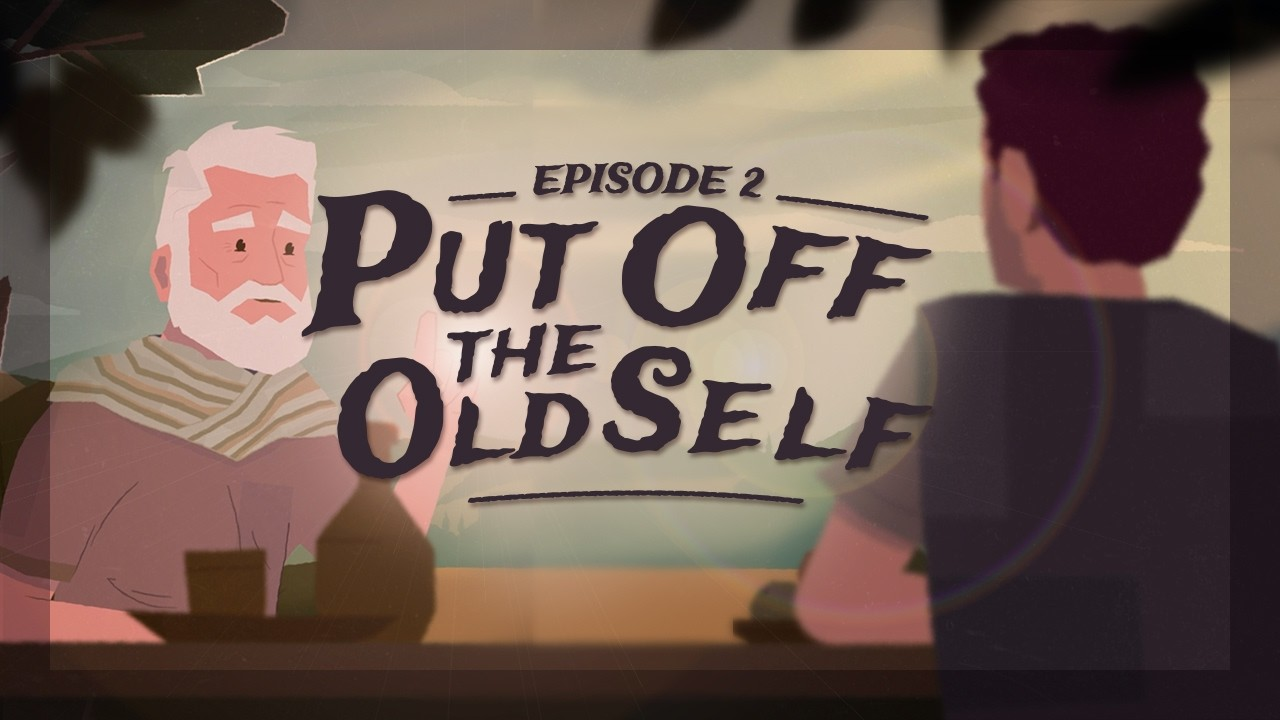
In this film, we meet Felix, the son of the feared Roman commander on the prison island of Patmos. Felix is highly ambitious and has great dreams and hopes for what the future will bring. At the same time, he feels empty no matter what he does, and he struggles to find meaning in life. He also carries the burden of constant reminders from a guilty conscience because he took out his personal frustrations on an innocent third party, causing that person great suffering. Yet Felix does not consider himself a bad person, and he places most of the blame on his father for the fact that his life has not turned out as he dreamed it would. He has now reached a very low point and is unable to find any meaning in life.
Although what Felix has done may be more dramatic than what most people have on their conscience, he is fairly representative of many people. Most people begin life with great expectations for the future, yet at the same time struggle to find meaning in life. It is also tempting to blame others rather than turn one’s attention inward.
Esau and Jacob in us
In the film, Felix goes to the apostle John for help. John uses biblical stories and his own experiences from the time he spent with Jesus to shed light on what is happening within Felix and to show him a way out of his misery. John begins with the story of Jacob and Esau. They were twins, but even before they were born, God made it clear that He hated Esau and loved Jacob. The two brothers symbolize the inner struggle that takes place in every person who longs for God—or, put another way, who longs for meaning in life. Esau represents what the Bible calls “the old man,” which is enslaved to the sin that entered every human being through the Fall. In the film, we see evil, represented by a crow, leading Esau into hatred and the persecution of his brother Jacob. Jacob represents that part of a person which longs for meaning in life—for fellowship with God.
Jacob and Esau can never be reconciled; a life-and-death struggle is taking place between them. In the Old Testament story, Esau swore that he would kill Jacob as soon as their father Isaac was in the grave. At the urging of his mother, Rebekah, Jacob fled from Esau and went to his uncle Laban. There, while he was fleeing from Esau, God revealed Himself to Jacob in a dream and showed him a ladder reaching from earth to heaven. God stood at the top of the ladder, and angels ascended and descended upon it. There is, therefore, a connection between earth and heaven—a way to escape Esau’s tyranny.
Repentance is the first step
Felix is now interested, but he is unsure what this means. How is he to flee from Esau? What does that mean in practice? John then tells him that he himself was present when Jesus was baptized. As Jesus rose from the water, heaven opened, and God Himself proclaimed that Jesus was His Son, in whom He was well pleased. But immediately afterward, Jesus was led into the wilderness, where He was tempted by the devil.
When John the Baptist baptized people, the message he had was: “Repent, for the kingdom of Heaven is near”. John explains that Jesus was fully God, but also fully human. He never sinned — not even once — and therefore did not need to be baptized into a new life in the same way that human beings did. But He allowed Himself to be baptized in order to show humanity the way – repent and clean up their life. He was subsequently tempted by the devil, even though God had just confirmed he was His own son. Jesus, too, therefore had an Esau and a Jacob within Him, but unlike in other human beings, Esau never accomplished anything — not even once. As the prophet says, He pursued Esau and uncovered his hiding places.
Jesus – Logos - is the ladder!
The apostle John goes on to tell how Jesus said to the disciple Nathanael that he would see heaven opened and the angels ascending and descending upon the Son of Man. Jesus Himself is therefore the ladder Jacob saw in his dream. He is the connection between earth and heaven, the rescuer and Savior of everyone who is fleeing from Esau.
Felix again wonders what this means. Jesus was crucified and died, so has this connection to heaven disappeared? But the apostle John explains that Jesus was the Logos — the Word made flesh. Those who saw Jesus saw God’s word and commandments lived out perfectly in a human being. Jesus went to His Father, but He remains on earth through the words and commandments He left behind. We cannot separate Jesus from His words. Jacob’s ladder is therefore the words and commandments of Jesus. In them lies the connection to heaven, to fellowship with God, and to meaning in life.
Jesus’ words are radical and hard to digest
Felix now wants to become acquainted with the words John has spoken about, and he is given a copy of Jesus’ Sermon on the Mount. But when he begins to read it, he becomes frustrated and angry. The words and commandments Jesus left behind are so radical that Felix considers them entirely impossible for any human being to obey. At the same time, John points out that Jesus says clearly at the end of the sermon that His words must be put into practice. Felix is now more distressed than ever and believes that John has deceived him. He had glimpsed hope in what John had said earlier, but what he has now read has completely discouraged him.
You need to be born again!
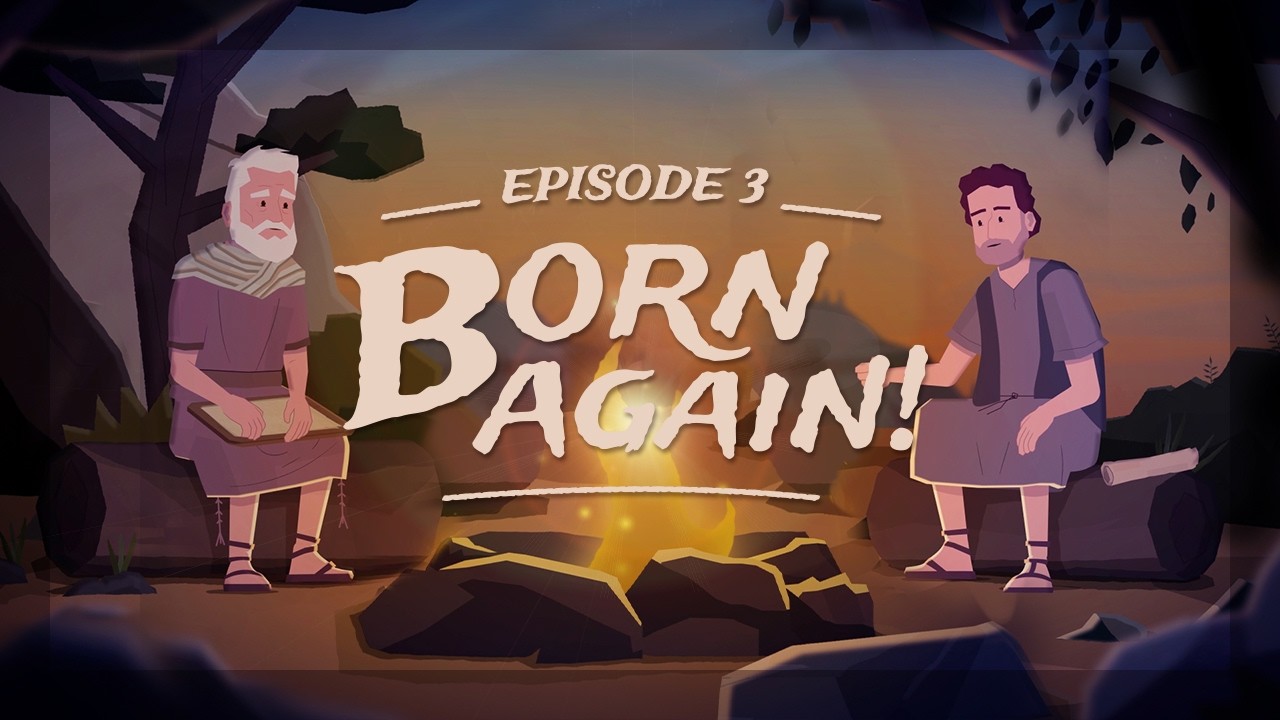
The apostle John asks to tell one more story and brings up the story of Nicodemus. Nicodemus understood that Jesus was a teacher from heaven, but he did not understand the meaning of what Jesus did and said. Jesus then explained that, in order to enter the kingdom of God, a person must be born again.
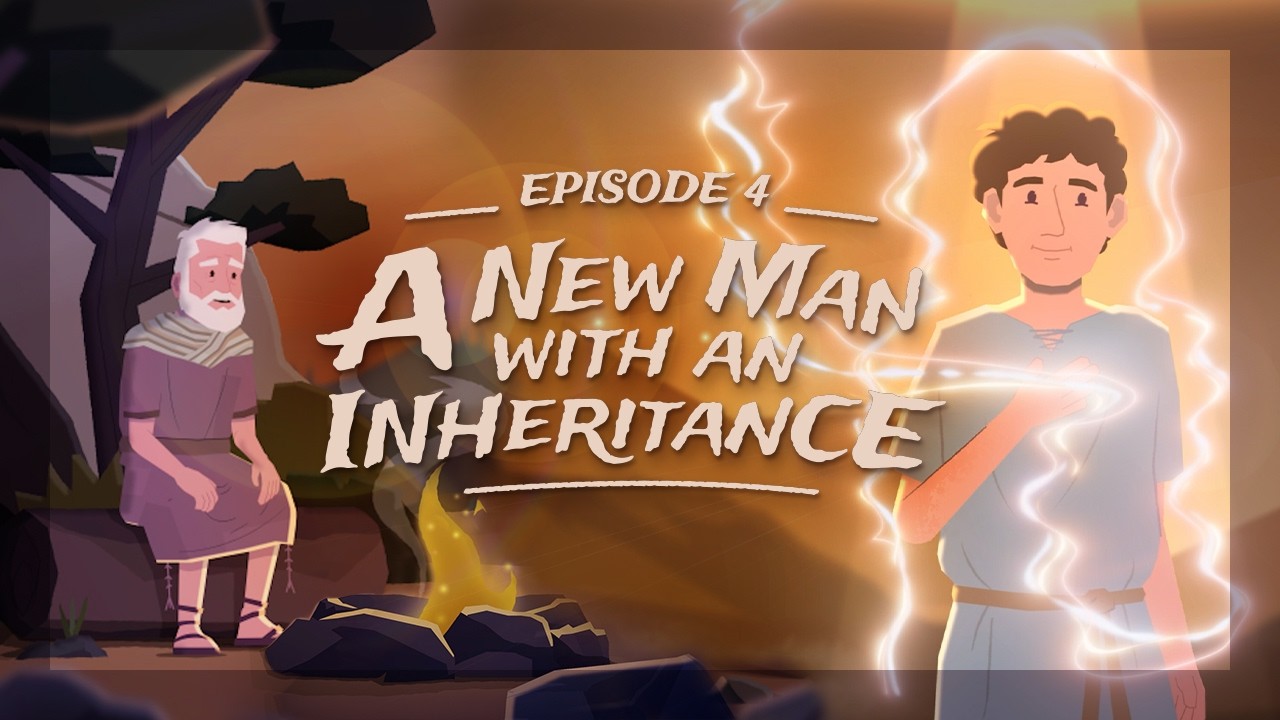
The old man — Esau — can never live according to the words of Jesus, even if he applies all his willpower and every faculty of his soul to the task. But the person who is born again receives a new inner man who, through the Spirit Jesus left behind, receives the power and help that make it possible to live according to Jesus’ words. A human being cannot live according to the Sermon on the Mount through his own strength, but through the power of the Spirit it is entirely possible.
Do you really want to do God’s will?
Finally, the apostle John emphasizes that the person who really wants – sets his whole mind to do God’s will, is the one who comes to know the nearness of God and fellowship with Him. A radical turning away from one’s former life is required, because God can never have fellowship with sin and impurity. After this conversion, a person must direct his mind and attention toward the words and commandments of Jesus and seek with all his heart to live according to them, whatever the cost.
The person who does this is born again and experiences the power and help of the Spirit to live an entirely new life in fellowship with his Creator. There, and only there, can a human being truly find the meaning of life.